
SEE
CREATE
EXPRESS
“YOU are,..
The most magnificent,
The most remarkable,
The most splendid being ever created.”
"Thoughts become ideas, ideas become words, words become actions, actions produce results."

“You are the most magnificent,
The most remarkable,
The most splendid being ever created.”
SEE IT in your MIND
Visualization is a powerful tool that can transform the way we approach our goals and dreams. By vividly imagining our desired outcomes, we tap into the immense potential of our subconscious mind, setting in motion a chain of positive actions and mindset shifts that bring those visions to life. Whether you’re striving for personal growth, career success, or creative breakthroughs, learning to harness the power of visualization can turn abstract ideas into tangible realities. In this post, we’ll explore how seeing ideas clearly in your mind can ignite motivation, boost confidence, and ultimately allow you to create the life you envision.
CREATE IT in your LIFE
Every great achievement begins with a vision—a vivid picture of what you desire to create or become. Yet, turning that vision into reality often feels like an elusive challenge. Manifesting your vision is more than just wishful thinking; it’s a powerful process that combines clarity, intention, and consistent action. Whether you’re dreaming of launching a new career, building meaningful relationships, or transforming your lifestyle, understanding how to harness the energy of your imagination and channel it into tangible results is key.
EXPRESS IT in your WORLD
Personal expression is more than just sharing your thoughts or showcasing your talents—it’s a powerful tool for connecting with others and inspiring change. When you embrace your unique voice and creativity, you unlock the ability to communicate your values, experiences, and perspectives in ways that resonate deeply with people around the world. Whether through art, writing, music, or any other form of creation, personal expression allows you to bridge cultural divides and foster understanding.
The beauty of personal expression lies in its authenticity. By being true to yourself, you create work that is original and compelling, capturing attention and sparking meaningful conversations. This genuine connection can motivate others to reflect, engage, and even take action, amplifying your impact far beyond your immediate circle.
In today’s digital age, the reach of personal expression has never been greater. Social media platforms and online communities offer unprecedented opportunities to share your creations with a global audience, turning your individual voice into a catalyst for widespread influence. By harnessing the power of personal expression, you not only enrich your own life but also contribute to a broader cultural movement that celebrates diversity, creativity, and positive change.
SEE IT . CREATE IT . EXPRESS IT
See Create Express (SCE) offers two Coaching Programs that are the culmination of mental, emotional, and physical atonement. These programs serve as roadmaps to self-cultivation from the inside out, with a commitment to developing mental, emotional, and physical consciousness. The goal is to achieve “personal” self-control by aligning our mental, emotional, and physical states.
When mental, emotional, and physical are aligned, we achieve a sense of personal balance, peace, and calmness. We are not just living our lives, we become the creators of our lives. We take full accountability and responsibility for originating the thoughts, actions, and all the creations we have manifested based on what we want and need. We have the courage, strength, and flexibility to accept and adapt to change. Change is life moving. We understand and fully embrace this notion to become the change we want to see in our world.
“When alignment has been cultivated from the inside, it will resonate/vibrate out into our external world.”
SCE believes we are the creators of the life we want to live. Everything we know and all the things we see originate from our thoughts. All that exists in our world was once pure thought. All that we are, mentally, emotionally, and physically, is the result of our thoughts, practiced daily. When we project our thoughts outward and deeply experience the emotions they evoke, there are no limits to what we can achieve, accomplish, or attain.
“All human beings are creators; they are the most magnificent, the most remarkable, the most splendid beings ever created.”
When mental, emotional, and physical states have aligned, the power to create is at a positive, optimal level. Energies needed to fuel movement and follow-through will be inexhaustible.
See Create Express’s Coaching Programs are designed to cultivate mental, emotional, and physical awareness. It is a lifelong journey towards strength of mind, stability of emotions, and flexibility of body. A never-ending process that must be practiced daily.
SEE . CREATE . EXPRESS
The power of visualization, action, and personal expression in achieving our goals and dreams. It encourages us to imagine (see) our desires, take inspired action (create) towards bringing them to life, and ultimately showcase (express) our creations to the world.

A Holistic Approach To Aligning the Mental, Emotional, Physical Health & Well-Being.
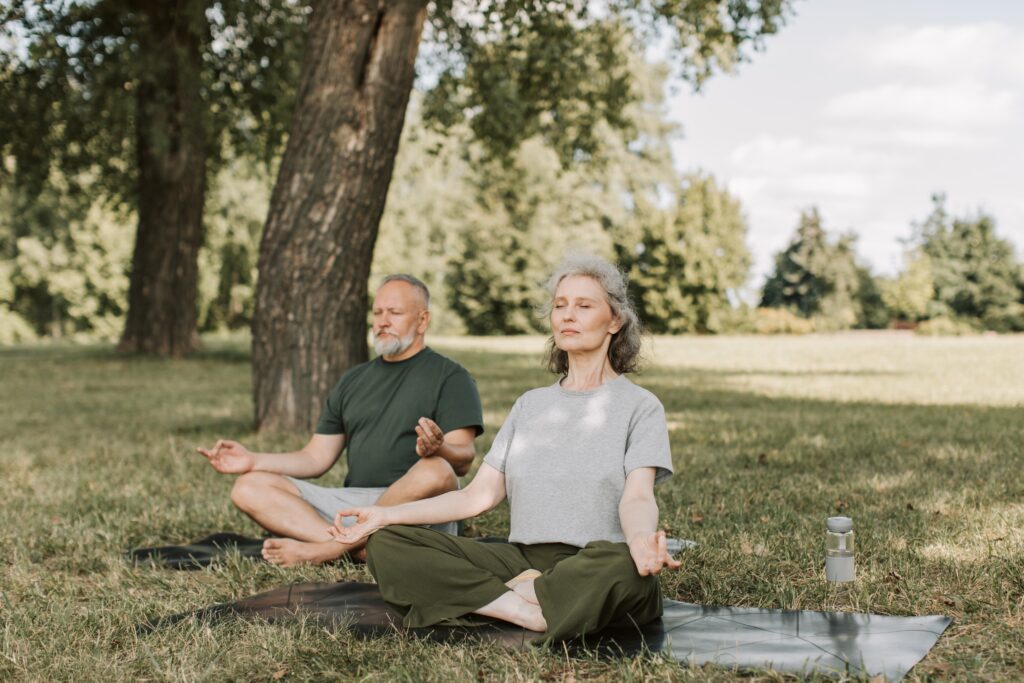
The Art of Personal Safety is a self-cultivation process that re-conditions the mental, emotional, physical health and well-being from the inside out. The end goal is to align mental, emotional, and physical states in order to achieve “personal” self-control. This “personal” self-control is over ourselves, never other people. Through “personal” self-control we begin to bring our “Life” back into focus.
It is not a “self-help” coaching program. Self-help is learning how to overcome specific challenges or problems with a focus on practical solutions and immediate improvements. It is targeted and specific.
The Art of Personal Safety (APS) is a “personal development” coaching program that takes a broader, more holistic journey of self-discovery and transformational growth across multiple aspects of life that includes mental, emotional, and physical health and well-being. It is comprehensive and encompassing, and emphasizes long-term growth that involves a wider range of activities that include mindfulness reflection, learning, and physical skill development. Personal development seeks to foster overall well-being, self-awareness with a sense of purpose that is designed to address both internal and external challenges holistically.
The crux of the program lies in achieving reconciliation with the “inner turmoil” that resides inside each one of us, regardless of how we might choose to label it – monster, beast, demon, or otherwise. By emphasizing the 6 Core Disciplines, namely, Mindful Breathing, Mind Body Stretching, Personal Circle of Defense, 3A’s, 3V’s, and the 4P’s, the program works towards aligning our mental, emotional, and physical states. This involves acknowledging, accepting, and fostering balance and harmony within us, paving the way for inner peace and personal self-control that heightens one’s confidence and prepares us for any situation.
The Art of Personal Safety is not necessarily about protecting yourself against an external, physical opponent/threat. It is about protecting yourself from yourself. Rather than engaging in outright conflict, the program emphasizes the importance of understanding the opposing forces essential to the universe – “Yin (feminine)” and “Yang (masculine)” – and achieving a state of equilibrium between them. Ultimately, the aim of the Art of Personal Safety’s coaching program is to attain “personal” self-control, thereby making the pursuit of inner peace an ongoing and never-ending battle.
Of course, this is not an easy journey to undertake, but one that is undoubtedly rewarding. So, the question to ask yourself is –
…are you ready to embark on this path?
There are 4 types of Characters: Doers, Talkers, Blamers, and Complainers,… APS is looking for Doers (people who believe in creating what they want).
…are you worthy of your life “battles?”
Let us meet up and find out. Let us see if you are worthy of achieving your “personal” self-control, your happiness, your balance, and your peace in your life…
We believe you are worthy.”
Find out if the Art of Personal Safety is a Worthy Investment for you by scheduling your FREE 2-HOUR SESSION


What is Muay Lao?

Originating from Laos, Muay Lao is an intriguing martial art that combines striking and clinching techniques in a vibrant manner. In contrast to the more widely recognized Muay Thai, Muay Lao features its own unique movements and a characteristic style that embodies the diverse cultural heritage of Laos.
Within Lao society, Muay Lao transcends mere sport; it represents a vital aspect of strength, tradition, and national pride. It is honored during local celebrations, imparted as a means of self-discipline, and cherished as a connection to the nation’s historical roots.
When reflecting on the historical origins of Muay Lao, one notices that this martial art is deeply intertwined with the broader history of Laos. Initially serving as military training for ancient warriors, it functioned as both a defense mechanism and a demonstration of courage. Throughout the ages, Muay Lao has been meticulously refined and transformed, shifting from a necessity on the battlefield to a cultural martial art that is intricately woven into Laotian heritage.
The progression of Muay Lao has been greatly shaped by adjacent martial arts, particularly Muay Thai from Thailand and Pradal Serey from Cambodia. These regional disciplines exchanged techniques and ideas, resulting in a rich variety of martial arts across Southeast Asia. Muay Lao has integrated aspects from these martial practices while preserving its own unique styles and techniques, reflecting the distinct culture and history of the Lao people.
Today, Muay Lao has evolved from its traditional foundation into a recognized combat sport. Although it still holds significant cultural value and employs traditional techniques, it has adapted to fit the contemporary sporting environment. This includes the establishment of rules, weight divisions, and a greater emphasis on competitive events. Such evolution has not only safeguarded the art form but also facilitated its promotion on an international scale, garnering interest from martial arts fans around the globe.
Functional Fitness Training

Since the Art of Personal Safety takes a holistic approach to mental, emotional, physical health and well-being, iMuay Lao Functional Fitness Training is used as a platform to awaken the body. A Functional Fitness Training that will align the “physical” to the Art of Personal Safety’s mental and emotional health and well-being.
“If you do not take care of the body, where will you live?”
iMuay Lao Functional Fitness Training is a holistic approach to health and wellness that focuses on building strength, mobility, endurance, and flexibility that can be applied to real-life situations. It is all about training the body to perform everyday activities efficiently and effectively.
Let's find out if iMuay Lao Functional Fitness Training is a Worthy Investment for your "Physical" needs by scheduling your FREE 2-HOUR SESSION
Zen Series was designed to promote understanding of mindfulness, relaxation, and inner peace. A collection of philosophical short story videos about energy and how it animates life. Put together in the hopes of helping individuals find moments of calm and clarity amidst the chaos of modern life. The unifying thread is a focus on simplicity, balance, and cultivating a present-moment awareness.
How ignorant, stupid, and lazy people, can ruin your peace.
The old Zen master, Sensei Fuku, sat beneath the gnarled branches of an ancient cherry tree, its blossoms swirling like pink snow. A young monk, Buck Hum, knelt before him, with a frustrated facial expression.
“Sensei,” Buck Hum sighed, “I cannot find peace. My mind is a battlefield! I try to meditate, but thoughts assail me like hornets: worries about my inadequate calligraphy, anxieties about disappointing you, and, shamefully, a constant craving for sweet rice cakes.”
Sensei Fuku remained silent for a long moment, the wind rustling the cherry blossoms. Finally, he spoke, his voice a low rumble.
“Buck Hum,” he said, “your battlefield is not unique. It is a landscape cultivated by three insidious weeds: Ignorance, Stupidity, and Laziness.”
Buck Hum looked puzzled. “Weeds, Sensei? I thought my troubles were… deeper.”
“Deeper, perhaps,” Fuku conceded, “but rooted in these three. Ignorance, Buck Hum, is the darkness that blinds you to the interconnectedness of all things. You believe your calligraphy is ‘inadequate’ because you compare it to others, forgetting that it is a reflection of *your* journey, *your* practice, *your* unique expression of the Dharma.”
He picked up a fallen cherry blossom. “This single bloom,” he said, holding it aloft, “does not judge itself against the entire tree. It simply *is*, a perfect expression of itself in this moment. Your calligraphy is the same. Judge it not, simply practice with mindful awareness.”
Buck Hum began to understand. He had been blinded by comparison, by an *ignorance* of the inherent worth in his own efforts.
“And Stupidity, Sensei?” he asked.
“Stupidity,” Fuku replied, releasing the cherry blossom to the wind, “is the unwillingness to learn, to question, to challenge your own flawed assumptions. You ‘worry about disappointing’ me. But have you ever truly *asked* me what my expectations are? Have you considered that my teachings are meant to guide you, not to burden you with impossible standards? Your worry is born of a *stupid* assumption, a refusal to engage in honest inquiry.”
Buck Hum lowered his head in shame. He had indeed built his anxieties on unfounded assumptions, never daring to seek clarity.
“Finally,” Sensei Fuku said, his gaze piercing, “Laziness. This is the most insidious of all. You crave sweet rice cakes because it is easier than facing the discomfort of mindful eating. You avoid truly engaging with your practice because it requires effort and discipline. Laziness allows Ignorance and Stupidity to fester and thrive. It is the fertile ground upon which your anxieties take root.”
He stood up, his movements fluid and graceful. “The way to peace, Buck Hum, is not to fight these weeds, but to starve them. Cultivate awareness to dispel Ignorance. Embrace inquiry to overcome Stupidity. And practice diligent effort to vanquish Laziness. Uproot these three, and the battlefield of your mind will transform into a garden of serenity.”
Fuku turned and walked back towards the temple, leaving Buck Hum alone beneath the cherry tree. As the pink blossoms swirled around him, Buck Hum felt a glimmer of hope. The path to peace was not easy, but now, at least, he knew where to begin weeding.
The greatest gift you can give yourself is freedom from what others think. Peace begins the moment you stop needing approval.
A young monk, Buck Hum, stood by the monastery’s koi pond, brow puckered. He’d spent the morning perfecting his calligraphy, painstakingly rendering the Heart Sutra onto silk. He’d presented it to the Abbot, and the Abbot, after a long, silent contemplation, had merely raised an eyebrow and said, “Hmm. Needs more… spirit.”
Buck Hum burned with frustration. He’d poured his heart into each brushstroke, mimicking the masters perfectly. What more did the Abbot want?
He sat there, watching the koi glide through the water, their vibrant colors shimmering. An old, weathered monk, named Fuku, shuffled beside him, leaning on a knotty staff. Fuku was known for his unconventional wisdom and uncanny ability to see through a person’s soul.
Fuku sat in silence for a long moment, then finally said, “You seem troubled, young Buck Hum.”
Buck Hum confessed his struggles, detailing the Abbot’s critique and his own perceived failure. “I try so hard to please, to meet their expectations, to be deemed worthy. But it’s never enough!”
Fuku chuckled, a low, gravelly sound. “You chase a phantom, Buck Hum. A wisp of smoke on the wind.”
He picked up a smooth, grey stone from the pond’s edge. “Tell me, Buck Hum, do these koi care what the carp upstream think of their scales? Do the bamboo stalks bend themselves backwards to please the mountain?”
Buck Hum frowned. “Of course not, Master Fuku. They simply exist, according to their nature.”
Fuku tossed the stone into the pond. Ripples spread outwards, disrupting the calm surface. “Exactly. Your ‘spirit,’ as the Abbot called it, is not found in mimicking others, but in embracing your own nature. Your own way of being.”
He paused, his eyes twinkling. “Think of it this way: you strive to earn approval, like a dog fetching a stick. You crave the pat on the head, the validation. But what happens when the master withholds the stick? You’re left chasing emptiness.”
Buck Hum looked at his hands, calloused from years of practice.
Fuku continued, “The greatest gift you can offer yourself, the most profound act of generosity, is to release yourself from the prison of others’ opinions. Their judgments are their own burdens, not yours to carry.”
He stood up slowly, his old bones creaking. “True peace, Buck Hum, begins the moment you stop needing approval. It’s the freedom to create, to be, to simply exist, as you are meant to be, regardless of the whispers of the world.”
Fuku shuffled away, leaving Buck Hum in silence.
He closed his eyes, taking a deep breath. He imagined himself releasing the weight of expectations, letting go of the need to please. A sense of lightness washed over him. He was still unsure of his calligraphy, still seeking mastery, but the drive came from within, not from the need for validation.
He opened his eyes, the koi pond now reflecting a new, calmer sky. He finally understood. The “spirit” the Abbot sought wasn’t something to be added, but something to be unleashed. And that unleashing began with the quiet act of freeing himself from the opinions of others.
What is “Energy?”
The young monk, Buckhip, bowed deeply to Master Fuku before speaking. “Master, I am troubled. The Abbot speaks of ‘energy,’ of cultivating it, focusing it, being mindful of its flow. But what *is* energy? Is it the breath? Is it the strength in my muscles? I grasp at it, but it slips through my fingers like sand.”
Master Fuku smiled, a network of wrinkles crinkling around his eyes like dried riverbeds. “Buckhip, come with me.”
He led Buckhip through the temple gates and down a winding path into the nearby bamboo forest. The air was thick with humidity, the sun dappled through the green canopy. Finally, they reached a small, still pond.
“Observe,” Master Fuku said, his voice a low rumble.
Buckhip looked at the pond. The surface was undisturbed, reflecting the sky and the surrounding bamboo with mirror-like clarity.
Master Fuku picked up a small pebble and tossed it into the center of the pond.
Ripples spread outwards, disturbing the serene surface. The reflection of the sky and bamboo wavered, distorted, then slowly, gradually, returned to stillness.
“Did you see the energy, Buckhip?” Master Fuku asked.
Buckhip frowned. “I saw the pebble. I saw the ripples.”
Master Fuku nodded. “The pebble is just the pebble. But the ripples… the ripples are the *effect* of the pebble’s *potential*.”
He pointed to a large, ancient oak tree standing nearby. “That tree, solid and imposing, held within it the *potential* to be here for hundreds of years. The *energy* is that potential, actively becoming.”
He then pointed to the sun, high in the sky. “The sun warms the earth, allowing the bamboo to grow, the water to evaporate and form clouds, and the flowers to bloom. The sun’s *energy* is the constant unfolding of that potential.”
Master Fuku then reached out and gently touched Buckhip’s chest, right over his heart. “You too, Buckhip, hold within you immense potential. Your anger, your frustration, your questions, your joy… these are all manifestations of that potential. To cultivate energy is to be aware of that potential, to guide it with mindfulness and compassion, to allow it to flow and transform without clinging to it. Just like the ripples on the pond.”
He paused, letting the silence of the forest sink in.
“Now, Buckhip,” Master Fuku said, his eyes twinkling. “Tell me, what is the sound of one hand clapping?”
Buckhip, still pondering the ripples and the sun and the ancient oak, blinked. He realized he was no longer grasping at a definition, but feeling the vibrant potential within himself, a potential as vast and unknowable as the universe.
He bowed again to Master Fuku. “I will contemplate this further, Master,” he said. And in that moment, he understood that the answer, like the energy itself, was not a thing to be grasped, but a process to be experienced.
Energy Animates All Life
The Sound of a gentle stream flowing, fading into the quiet hum of a meditation bell. A single, sustained tone follows.
An old monk, named Fuku, sat with his young apprentice, Buckhip, beneath a gnarled plum tree. The tree was ancient, its branches twisted and covered in lichen. It looked dormant, almost dead.
Buckhip, impatient and full of youthful energy, kicked a small pebble. “Sensei,” he said, “This tree… it appears lifeless. Dry. How can you say that energy animates *all* life when I see no life here?”
Fuku smiled, a network of wrinkles crinkling around his eyes. He pointed to a small green shoot emerging from the base of the tree.
“Look closely, Buckhip.”
Buckhip peered at the shoot. “A small sprout. But the tree itself… it is… sleeping.”
Fuku chuckled. “Sleeping, yes. But what *is* sleep, Buckhip? Is it the absence of energy, or merely a different *expression* of it?”
He plucked a single, dry leaf from a branch and held it in his palm. “This leaf… it seems brittle, devoid of moisture. Yet, where did its color come from? Where did its strength come from? It drew energy from the sun, the rain, the earth. The tree shared its life force, and now… it returns to the earth to feed the tree once more.”
He crushed the leaf in his hand, the fragments crumbling to dust.
“Even in this dust, there is potential. The potential to nourish new life. Energy transforms, Buckhip. It never truly disappears. It is the invisible river that flows through all things.”
Fuku then led Buckhip to a nearby rock. “This rock,” he said, tapping it gently. “Does it have life?”
Buckhip hesitated. “It… it seems not. It is solid, unmoving.”
Fuku closed his eyes for a moment, his hand resting on the rock. “The rock feels solid to you, because you perceive it on this scale. But look closer, at the microscopic level. The atoms within are constantly vibrating, moving, interacting. Over eons, this rock will be eroded by wind and rain, transformed by the sun. Its energy will be released, to become part of the earth again.”
He opened his eyes, his gaze fixed on Buckhip. “The wind that rustles the leaves, the sun that warms your skin, the earth beneath our feet – all are manifestations of this single, boundless energy. It is the heartbeat of the universe, the silent symphony that connects everything. Even in what appears to be stillness, in what appears to be death, the energy remains, transforming, waiting for its next expression.”
Fuku stood up. The bell rang once more, a single, clear tone.
“Go now, Buckhip. Look at the world with new eyes. Feel the energy that animates all things, even the ‘dead’ tree, even the silent rock. And you will understand.”
The mind can direct energy to aid the body in healing
The old monk, Fuku, sat by the koi pond, his back ramrod straight despite the decades etched upon his face. He gestured to a young acolyte, Buckhip, who fidgeted nearby, his left arm bound in a thick splint.
“Buckhip,” Fuku said, his voice like rustling leaves, “tell me, what is the problem with your arm?”
Buckhip sighed. “Master, I fell from the peach tree. The bone is broken, the pain… it throbs constantly. The physician says it will take many weeks to heal.”
Fuku nodded slowly. “Weeks. A long time for a restless mind to suffer.” He threw a handful of dried fish flakes into the pond, watching the koi erupt in a flurry of vibrant orange and white. “Tell me, Buckhip, do you believe the fish are aware of the entire pond?”
Buckhip furrowed his brow. “Of course not, Master. They only perceive their immediate surroundings.”
“Precisely,” Fuku said. “Just as your mind currently perceives only the pain in your arm. You are trapped in a small pool of discomfort. But the mind, Buckhip, is like this entire pond. Vast, deep, and capable of nourishing life beyond the immediate surface.”
He gestured towards the koi. “Look. Each fish draws energy from the water, transforming it into vibrant life. You too, Buckhip, possess this same power within you. But you are currently directing it all towards the pain, feeding it, making it stronger.”
Fuku closed his eyes and began to breathe deeply, his hands resting lightly on his knees. “Close your eyes, Buckhip. Breathe with me.”
Buckhip, hesitant but trusting, followed suit. After a few moments, Fuku continued, his voice a low hum. “Imagine the energy, the Phalangaan, that flows through you. See it as a warm, golden light. Now, instead of focusing on the pain, direct that light. Focus on the bone, the muscle, the skin.”
Buckhip concentrated, picturing a soft, golden light emanating from his center, flowing down his arm, bathing the broken bone in its warmth. He imagined the cells knitting together, the inflammation subsiding, the pain slowly dissolving like mist in the morning sun.
“Don’t force it,” Fuku cautioned. “Gently guide the energy. Feel it, nurture it. See the body as a field, and your mind as the gardener, carefully tending to its needs.”
They sat in silence for a minute, two, maybe more. The only sound was the gentle ripple of the pond and the soft breeze rustling through the bamboo. Finally, Fuku opened his eyes.
“Now, Buckhip,” he said. “How does your arm feel?”
Buckhip slowly opened his eyes, flexed his fingers gently, and then looked at Fuku with surprise. “Master,” he said, “the throbbing… it’s much less. It’s still there, but it feels… calmer. More distant.”
Fuku smiled. “The pain is still there, Buckhip. The bone is still broken. But you have begun to shift your awareness, to direct your energy. Continue this practice, Buckhip. Cultivate the garden of your body with the power of your mind. The body will heal in its own time, but with the mind as a guide, it will heal more swiftly and with more grace. Remember, Buckhip, the pond is vast. Do not be confined to a single ripple of pain.”
How anger can destroy your character
A young monk, fervent but easily angered, stormed into the Master’s garden, face contorted. He yanked a young sapling from the ground, roots tearing from the soil. “Master!” he cried, brandishing the small tree. “This injustice! Brother Buckhip accused me of laziness. He speaks lies! I am filled with rage!”
The Master, serene, watched the monk struggle with the sapling. “Tell me,” he said gently, “what is left in your hand?”
The monk, panting, looked at the sapling. “A rootless tree, dead.”
The Master nodded. “And what do your actions speak about you? Your anger, like a wild wind, has uprooted your composure. It has choked the growth of patience and understanding in your heart. You have let a moment of heat define you, showing not strength, but weakness. The tree is dead. Now, look at your character. What has your anger killed within you?”
The monk, looking at the ruined sapling and then at his own trembling hands, finally understood. The sapling’s death mirrored the death of something within himself – a piece of his potential, twisted and withered by uncontrolled rage. He knelt, burying his face in the dirt, finally feeling not anger, but shame.
A promise to yourself v1
A young monk, Buckhip, knelt weeding in the monastery garden. Sweat beaded on his brow. He was restless. He longed to be out there, beyond the walls, exploring the bustling marketplaces, tasting exotic spices, and experiencing the world.
Old Master Fuku walked by, his hands clasped behind his back, observing Buckhip’s furrowed brow.
“Buckhip, you seem troubled.”
Buckhip sighed, placing a handful of weeds in his basket. “Master, I feel trapped. I yearn to see the world, but I am bound by my duties here.”
Master Fuku knelt beside him, pulling a stubborn weed. “The world is vast, Buckhip, but true journeys begin within.” He held up the weed. “Even this small plant struggles to reach the sun. What promise does it make to itself each day?”
Buckhip frowned. “A promise? I… I don’t understand.”
“Each morning, it promises to reach for the light. To grow. To be the best version of itself that it can be, right here, right now, in this patch of earth. It doesn’t fret about the vastness of the garden, only about reaching for the sun today.”
Buckhip considered this. He often felt overwhelmed by the enormity of his training, the endless sutras to memorize, the years he had to remain within the monastery walls. He saw only the vastness, not the present moment.
“But Master, what does that have to do with my longing to travel?”
Master Fuku smiled. “Ah, Buckhip, perhaps your travel isn’t a physical journey, but a journey of the spirit. Make a promise to yourself. A small one. Something achievable today. Something that nurtures your spirit. And fulfill it.”
Buckhip pondered this. He decided. “I promise myself that today, I will truly *see* the garden. Not just weed it, but notice the intricate patterns of the leaves, the colours of the flowers, the dance of the bees.”
He spent the rest of the morning lost in the details of the garden. He observed the velvety petals of the crimson poppies, the delicate veins tracing patterns across the leaves of the bamboo. He watched a ladybug crawl across a sunflower, its bright shell gleaming in the sunlight.
That evening, as the sun dipped behind the mountains, painting the sky in hues of orange and purple, Buckhip sat meditating. A deep sense of peace settled within him. He had fulfilled his promise. He had truly seen the garden.
He realized something profound. He had not needed to travel to find beauty or wonder. It had been there all along, waiting for him to truly see it. And in fulfilling his simple promise to himself, he had found a quiet joy, a sense of accomplishment that resonated deep within his soul. The world, he realized, was not just a place to be seen, but a way to see.
Letting things be what they are
A young monk, Buckhip, hurried through the dew-kissed bamboo forest, a furrow etched deep in his brow. He was late for the morning meditation, a transgression he dreaded facing the stern gaze of Master Fuku.
He tripped.
His hand flew out, clutching instinctively. His fingers closed around a small, vibrant wildflower, a defiant burst of purple amidst the green. Buckhip ripped it from the earth, roots and all, cursing under his breath.
“Blast this useless flower!” he muttered, intending to discard it.
But then, he saw it. Held limply in his hand, the wildflower was already wilting. The vibrant purple was fading, the delicate petals beginning to droop. Guilt pricked at him. He hadn’t just tripped; he had severed the flower’s connection to life.
He found a small patch of bare earth near a mossy rock and frantically tried to replant it. He dug a tiny hole, carefully placed the flower, and covered the roots with damp soil. He watered it with the dew clinging to a nearby leaf.
But the flower remained limp.
Tears welled in Buckhip’s eyes. He had tried to fix his mistake, to force the flower to live, but it was no use.
He heard footsteps behind him. Master Fuku stood silently, his face unreadable. Buckhip braced himself for the reprimand.
“Buckhip,” the Master said, his voice calm as the rustling leaves. “What troubles you?”
Buckhip, ashamed, pointed to the wilting flower. “I… I ripped it from the ground. I tried to put it back, but it’s dying. I tried to… to *make* it live.”
Master Fuku knelt beside him. He examined the flower, the small patch of disturbed earth. He said nothing for a long moment, then gently touched the wilting petals.
“Buckhip,” he said softly. “You cannot force the sun to shine, nor can you command the rain to fall. This flower, in its being, chose to sprout here, to bloom in this moment. Now, in its being, it is choosing to return to the earth.”
He paused, then looked directly into Buckhip’s eyes. “Your mistake was not in uprooting the flower. Your mistake was in fighting what *is*. You clung to the desire to *fix* it, to control the natural course. Learn to accept the turning of the wheel.”
Master Fuku plucked a single, vibrant leaf from a nearby bamboo stalk. He held it out to Buckhip.
“This leaf is green now. It will turn brown and fall to the earth. You cannot hold onto its greenness forever. Let the flower be. Let it return to the earth, enriching the soil for new life. Let everything be what it is, in its own time.”
Buckhip looked at the wilting flower, then at the green leaf in his hand. He finally understood. He released the flower, letting it rest on the earth. A wave of peace washed over him. The anxiety that had driven him was gone. He had learned a valuable lesson.
The wind chimes tinkled softly, a gentle reminder of the impermanence of all things. He stood, bowed to his Master, and together they walked towards the meditation hall, leaving the wilting flower to its natural end. Buckhip carried within him a deeper understanding, a newfound acceptance of the ebb and flow of life, and the profound wisdom of letting things simply be.
The importance of being accountable and responsible
The old monk, Fuku, was known for his meticulousness. Each day, without fail, he swept the courtyard of the monastery, ensuring not a single fallen leaf remained. One brisk autumn morning, a novice monk, Buckhip, watched Fuku meticulously brushing away a particularly stubborn cluster of crimson leaves.
“Master,” Buckhip began, “Why do you sweep so diligently? The leaves will simply fall again tomorrow. Is this not a futile exercise?”
Fuku stopped sweeping, leaned on his bamboo broom, and smiled. “Indeed, Buckhip. The leaves will fall again. That is the nature of things. But tell me, last night, were you assigned to secure the greenhouse door?”
Buckhip’s face flushed crimson, mirroring the very leaves Fuku was sweeping. He had been distracted by a fascinating scroll and forgotten his task. The wind, as predicted, had howled through the night, leaving the delicate seedlings inside exposed and chilled.
“I… I confess, Master, I forgot.” Buckhip mumbled, ashamed.
Fuku nodded, his eyes gentle. “And what happened to the seedlings?”
“Many withered, Master. We will lose weeks of work.”
Fuku resumed sweeping, his strokes deliberate. “The falling leaves are like the changing seasons, the inevitable cycle of life and death. We cannot stop them. But the greenhouse door, Buckhip, *that* was your responsibility.”
He swept a pile of leaves into a neat heap. “Sweeping is not about stopping the leaves from falling. It is about maintaining order, about honoring the space we inhabit, about tending to the present moment. It is about accepting what *is*, and taking responsibility for what *can be*.”
Fuku paused, looking directly at Buckhip. “You cannot stop the wind from blowing, but you *can* ensure the door is closed. Accepting the inevitability of the leaves falling doesn’t excuse you from the responsibility of protecting the seedlings under your care. The leaves will fall again tomorrow, and I will sweep again. But tomorrow, Buckhip, ensure the greenhouse door is secured.”
He tapped Buckhip’s shoulder lightly with the broom. “The world is a constant dance of acceptance and action. Find the balance, and you will find peace.”
Buckhip, humbled and enlightened, picked up a rake and began to help Fuku, understanding that true peace wasn’t found in avoiding the falling leaves, but in diligently tending to the greenhouse door. The seedlings, after all, depended on it.
The importance of being in the moment
The old Zen master, Fuku, sat on the worn tatami mat, his back ramrod straight. Before him, a young monk named Buckhip nervously held a steaming cup of tea. Buckhip was leaving the monastery tomorrow, embarking on his first solo journey to find enlightenment.
“Master,” Buckhip began, his voice trembling slightly, “I am… I am worried. I fear I will get lost on the path. I fear I will not recognize enlightenment when it arrives. What advice can you offer me?”
Fuku said nothing. He simply watched Buckhip carefully pour the tea. The cup filled, then overflowed, spilling hot liquid onto Buckhip’s trembling hand.
Buckhip gasped, dropping the cup. Shards of porcelain scattered across the floor, mingling with the tea.
Fuku remained silent for a long moment, his eyes never leaving Buckhip. Finally, he spoke, his voice gentle as the rustling leaves outside.
“Tell me, Buckhip, what happened just now?”
Buckhip stammered, “I… I was thinking of the future, of my fears. I wasn’t paying attention, and I spilled the tea.” He hung his head in shame.
Fuku nodded slowly. “Indeed. Your mind was not here, Buckhip. It was chasing shadows, dwelling on anxieties that have not yet arrived, and perhaps never will.”
He picked up a shard of the broken cup. “This cup, Buckhip, is the past. The spilled tea is gone, vanished. The future, like the tea yet to be poured, remains unformed, a possibility.”
He set the shard down. “Enlightenment is not a distant land, nor a grand revelation waiting to be found at the end of a long journey. It is here, in the feeling of your hand on the cup. It is in the steam rising from the tea. It is in the sound of the birds singing outside the window.”
Fuku pointed to the broken pieces on the floor. “Even in the mess you made, there is enlightenment. In the pain of the burn, in the sting of your embarrassment. It is all here, Buckhip, in this very moment.”
He looked deeply into Buckhip’s eyes. “The path is not some faraway destination, but the very ground beneath your feet. Walk it mindfully. Pay attention to each breath, each sensation, each thought as it arises and passes. Do not grasp at the past, do not chase after the future. Be here, now, fully and completely. For in this present moment, you will find all that you seek.”
Buckhip knelt, his heart filled with a newfound understanding. He closed his eyes, taking a deep breath. He felt the gentle breeze on his skin, heard the chirping of the crickets in the garden, and tasted the lingering scent of tea in the air.
He opened his eyes, a peaceful smile gracing his lips. “Thank you, Master. I understand.”
Fuku smiled back. “Then go. And remember to be present. The journey, and the destination, are one and the same, unfolding right here, right now in this moment.” And with that, Buckhip bowed, and began to sweep up the broken pieces of the cup, each movement filled with a quiet, mindful presence. He was finally on his way.
Little improvements will yield impactful life results
Buckhip, a novice monk, burdened with anxiety about achieving enlightenment, approached Master Fuku. “Master,” he sighed, “Enlightenment seems so far away! Like climbing a mountain ten thousand feet high. I fear I’ll never reach the summit.”
The Master Fuku smiled and pointed to a small stone lying near the garden path. “See that stone?” he asked. “Each day, move it just one inch closer to the temple wall.”
The novice frowned. “One inch? How will that ever help me reach enlightenment?”
The Master Fuku simply nodded.
For years, the novice followed the Master Fuku’s instruction. Rain or shine, he moved the stone, just one inch. He focused on the small, deliberate action, letting go of his anxieties about the distant goal. He noticed the seasons change, the garden bloom, and the other monks come and go. He simply focused on the inch.
Eventually, the novice became an old man. One morning, as he reached for the stone, he realized it was flush against the temple wall. He had, without realizing it, accomplished the task.
But more importantly, as he looked back on the years of small, persistent effort, he understood. It wasn’t the movement of the stone itself, but the daily discipline, the quiet perseverance, and the acceptance of the present moment that had cleared the path to enlightenment. The mountain was climbed, not in a single leap, but one inch at a time. The stone, now resting against the temple wall, was a testament to the power of small, consistent effort, and the profound peace it brings.
A promise to yourself v2
A small, ancient temple nestled high in the mountains. Mist swirls around the peaks. An elderly Zen master, Fuku, sits meditating under a gnarled pine tree. A young monk, Buckhip, approaches him hesitantly.
Master Fuku, forgive my interruption. I am troubled.
Trouble is the fertilizer of the spirit, Buckhip. Let it bloom. Tell me what weighs on you.
I… I keep making promises to myself. Promises to meditate longer, to study harder, to be more mindful. But… I keep breaking them. I feel weak, like a bamboo shoot that bends with every breeze.
Fuku slowly opens his eyes, the wisdom of ages shining in them. He gestures for Buckhip to sit.
Look around you, Buckhip. This mountain has stood for centuries. It has weathered storms that would crumble lesser things. Why?
“Its strength… its foundation,” Buckhip answered.
Precisely. Now, tell me, what holds a mountain together? Is it just the rock you see on the surface?
No, Master. It is the layers beneath, the compressed earth, the roots that delve deep.
Yes. Your promises to yourself are like the seeds you plant deep within. Each time you make one, you sow a seed of intention. Each time you break it, you disturb the soil, making it harder for the seed to take root.
Fuku picks up a small, smooth stone from the ground.
Imagine this stone is a promise. You hold it in your hand, acknowledging its weight, its solidity.
Fuku drops the stone. It falls silently into the soft earth.
That is a broken promise. Gone. But the potential for another stone remains, doesn’t it?
Yes, Master.
But what if, instead of dropping it, you carefully placed this stone on another, and another, and another, each representing a promise kept? Slowly, deliberately, you would build a cairn. A small monument to your dedication.
A cairn… made of kept promises…
Not all promises are grand pronouncements, Buckhip. They can be small, quiet affirmations. “Today, I will focus on my breath for just five minutes.” “Today, I will speak one kind word.” The size doesn’t matter. It’s the keeping that builds the foundation.
But what if I fail? What if the stone slips and the cairn falls? Asked Buckhip.
Then you pick up the stone. You acknowledge its weight, its fallibility. And you begin again. The real promise is not the flawless execution, but the unwavering commitment to rebuild, to learn, to keep tending to your inner garden.
A promise to yourself is a promise to your future self. It is an act of self-respect, a declaration that you are worth believing in. So, Buckhip, choose your stones wisely. And build your cairn with unwavering heart.
Buckhip bows deeply, a newfound understanding in his eyes.
I understand, Master. I will begin again.
Buckhip sits beside Fuku, closes his eyes, and begins to meditate, the sound of the wind whispering through the pines.
Mindful Breathing Meditations can energize, alleviate and eliminate stress
An old monk, named Fuku, lived high on a mountain. Pilgrims would often trek for days to seek his wisdom, hoping to find solace from the relentless demands of their lives. One day, a distraught farmer, sweat plastering his brow, stumbled into Fuku’s small, bare hut.
“Master… I’m… I’m overwhelmed. The drought has withered my crops. My family is hungry. The tax collector… he threatens to take our land. I’m consumed by worry, Master. I can barely sleep,” stated the farmer.
Fuku, calm as a still pond, gestured for the farmer to sit on a woven mat.
“Tell me, friend, do you remember the last time you simply… breathed?” The master asked.
The farmer looked bewildered.
“Breathing? Master, I’m breathing now! I’m alive, aren’t I?”
Fuku, Smiling gently. “Alive, yes. But are you *present*? Do you feel the air entering your nostrils, filling your lungs, and then leaving you? When the mind races like a storm, the breath is the anchor. Let us practice.”
Fuku closed his eyes, his spine straight, hands resting gently on his lap.
Fuku talked softly,.. “Find a comfortable position. Now, close your eyes if you wish. Notice the breath as it enters your nose. Feel the coolness of the air. Notice the gentle rise of your chest. Now, exhale slowly. Release any tension you are holding. Feel the warmth of the air as it leaves your body.”
The farmer, skeptical at first, hesitantly followed Fuku’s guidance. His mind, still buzzing with anxieties, fought against the stillness. Images of withered crops and angry tax collectors flickered in his thoughts.
Fuku continued softly,… “Your mind will wander. That is its nature. Simply acknowledge the thought, and gently guide your attention back to your breath. Like training a wild horse, be patient and firm. Inhale… exhale…”
Slowly, as the farmer focused on the simple rhythm of his breath, the torrent of anxieties began to subside. The images of drought and debt faded. A small space opened up within him, a space of quiet, untouched by the turmoil of his life.
(Breathing sounds become even more subtle, almost imperceptible)
Fuku continued. “Each breath is a moment of renewal. With each inhale, draw in the energy of the universe. With each exhale, release your burdens, your fears, your stress. Let them dissolve into the vastness of the sky.”
After a few minutes, Fuku opened his eyes. The farmer, though still weary, had a glimmer of peace in his face.
“Master… I… I feel… calmer. But how can breathing solve my problems? The crops are still withered. The debt is still there.” Exclaimed the farmer.
Fuku replied, “Breathing does not magically conjure rain or erase debt, my friend. But it can change how you *respond* to those challenges. By calming the mind, you gain clarity. You see solutions you could not see before. You find the strength to act with wisdom and courage, instead of fear and desperation. The energy you feel is not a burst of frenetic activity, but a steady, grounded power that flows from within. The alleviation you experience comes from releasing the grip of worry. The elimination of stress is achieved when you meet each moment with presence, not resistance.”
Fuku handed the farmer a single, perfectly ripe pear.
“Eat this slowly, friend. Taste each bite. Be present with its sweetness. And remember, the breath is always with you. Your anchor in the storm. Your source of strength and clarity. Go now, and tend to your fields with a mindful heart.”
What is honor, and its impact on character?
A young samurai, barely a man, stood before his Sensei, Master Fuku. The morning mist clung to the bamboo forest, dampening their hakamas. The samurai, Buckhum, gripped the hilt of his katana tightly, his knuckles white.
“Sensei,” Buckhum said, his voice wavering, “I saw a merchant cheated in the marketplace. A large, wealthy man took his goods and offered only a pittance in return. The merchant pleaded, but the man just laughed.”
Master Fuku, his face etched with years of quiet contemplation, nodded slowly. “And what did you do, Buckhum?”
“Nothing,” Buckhum confessed, his voice filled with shame. “I… I feared the man. He had guards. I thought if I intervened, I might be hurt. I might fail.”
Fuku walked to a gnarled old pine, its branches reaching skyward like twisted fingers. He touched its rough bark. “Look at this tree, Buckhum. It has weathered countless storms. It has seen seasons of plenty and seasons of scarcity. What do you think gives it the strength to endure?”
Buckhum considered the tree. “Its roots, Sensei. They hold it firm to the earth.”
“Indeed,” Fuku said. “And what are your roots, Buckhum? What holds you firm?”
Buckhum lowered his gaze. “Bushido. The way of the warrior. Honor, integrity, respect, and trust.”
“Words,” Fuku said, his voice gentle but firm. “Empty words if they do not take root in action. Honor is not a shimmering badge to be worn only when convenient. It is the very sap that flows within you, nourishing your character. It is the action you take when no one is watching, when there is no reward, when there is only the quiet knowing that you did what was right.”
He turned back to Buckhum. “You feared physical harm. That is understandable. But what is more damaging, Buckhum? A bruise on your body, or a wound to your soul? To stand idly by while injustice occurs is to allow that injustice to take root within yourself. It weakens your spirit. It erodes your honor.”
Fuku paused, the flute’s melody winding down. “Honor, Buckhum, is not about grand gestures or heroic feats. It is about the small choices you make every day. The choices that define who you are, and the kind of person you will become. The tree stands strong not because it boasts of its strength, but because it has weathered the storms with unwavering roots. So too must you cultivate the roots of honor within your own heart.”
Buckhum stood silent, contemplating the weight of Fuku’s words. He finally looked up, a newfound resolve in his eyes. He knew then that honor was not just a word, but a constant, unwavering commitment to act with integrity, even in the face of fear. That commitment, he realized, would be the foundation upon which he would build his character.
A young samurai, barely a man, stood before his Sensei, Master Fuku. The morning mist clung to the bamboo forest, dampening their hakamas. The samurai, Buckhum, gripped the hilt of his katana tightly, his knuckles white.
“Sensei,” Buckhum said, his voice wavering, “I saw a merchant cheated in the marketplace. A large, wealthy man took his goods and offered only a pittance in return. The merchant pleaded, but the man just laughed.”
Master Fuku, his face etched with years of quiet contemplation, nodded slowly. “And what did you do, Buckhum?”
“Nothing,” Buckhum confessed, his voice filled with shame. “I… I feared the man. He had guards. I thought if I intervened, I might be hurt. I might fail.”
Fuku walked to a gnarled old pine, its branches reaching skyward like twisted fingers. He touched its rough bark. “Look at this tree, Buckhum. It has weathered countless storms. It has seen seasons of plenty and seasons of scarcity. What do you think gives it the strength to endure?”
Buckhum considered the tree. “Its roots, Sensei. They hold it firm to the earth.”
“Indeed,” Fuku said. “And what are your roots, Buckhum? What holds you firm?”
Buckhum lowered his gaze. “Bushido. The way of the warrior. Honor, integrity, respect, and trust.”
“Words,” Fuku said, his voice gentle but firm. “Empty words if they do not take root in action. Honor is not a shimmering badge to be worn only when convenient. It is the very sap that flows within you, nourishing your character. It is the action you take when no one is watching, when there is no reward, when there is only the quiet knowing that you did what was right.”
He turned back to Buckhum. “You feared physical harm. That is understandable. But what is more damaging, Buckhum? A bruise on your body, or a wound to your soul? To stand idly by while injustice occurs is to allow that injustice to take root within yourself. It weakens your spirit. It erodes your honor.”
Fuku paused, the flute’s melody winding down. “Honor, Buckhum, is not about grand gestures or heroic feats. It is about the small choices you make every day. The choices that define who you are, and the kind of person you will become. The tree stands strong not because it boasts of its strength, but because it has weathered the storms with unwavering roots. So too must you cultivate the roots of honor within your own heart.”
Buckhum stood silent, contemplating the weight of Fuku’s words. He finally looked up, a newfound resolve in his eyes. He knew then that honor was not just a word, but a constant, unwavering commitment to act with integrity, even in the face of fear. That commitment, he realized, would be the foundation upon which he would build his character.
What is integrity, and its impact on character?
An old farmer, Fuku, lived a simple life on the side of Mount Kōy. His rice paddies were small, but his harvest was always plentiful. He was known for his honest dealings, never cheating a neighbor or taking what wasn’t his.
One spring, a powerful Lord, Buck Tui, was passing through Fuku’s village. He stopped at Fuku’s farm, admiring the vibrant green shoots of rice.
“Old man,” Lord Buck Tui boomed, “Your rice paddies are impressive. I need rice for my army. I will take half of your harvest this year.”
Fuku bowed low. “Lord, your strength is unquestioned. But half my harvest is all that separates my family from hardship. I will give you a tenth. That I can afford to part with.”
Lord Buck Tui scoffed. “A tenth? Are you bargaining with me? I could take it all and leave you nothing!”
Fuku looked Lord Buck Tui in the eye, his gaze unwavering. “Lord, you have the power to do so. You have the power to take my life, even. But you cannot take my integrity.”
Lord Buck Tui paused, taken aback by the farmer’s quiet defiance. He searched Fuku’s face, seeing not fear, but a calm strength he rarely encountered, even among his most seasoned warriors. He saw a man who valued something more precious than survival.
“And what good is this ‘integrity’ to you, old man, if you starve?” Lord Buck Tui challenged.
Fuku smiled softly. “Integrity, Lord, is the foundation upon which I build my life. It is the fertile soil from which my character grows. If I give it up, if I lie, if I cheat, if I compromise my principles for fear or greed, then I starve my soul. I may live, but I will no longer be the man I am. My character will wither and die.”
Silence hung in the air. Lord Buck Tui, accustomed to instant obedience, was bewildered. Finally, he spoke, his voice softer now.
“I will take only a fifth of your harvest, Fuku. Not out of pity, but out of respect. Guard your integrity well, old man. It is a treasure worth more than all the rice in my domain.”
Lord Buck Tui mounted his horse and rode on.
Fuku watched him go, then turned back to his fields, a serene expression on his face. He knew that he had chosen a harder path, but a path that would nourish his spirit. He had learned that true wealth lies not in possessions, but in the unwavering adherence to one’s own internal compass. And that even the most powerful can be humbled by the quiet strength of a man who values his character above all else.
What is respect, and its impact on character?
An old Zen master, Fuku, sat on a weathered wooden bench outside his small temple. Beside him sat Buck Hum, a young novice, brow furrowed with confusion.
“Master,” Buck Hum began, fidgeting with his worn sandals. “I still struggle to understand respect. I bow, I speak politely, I follow the rules. But is that truly respect?”
Fuku closed his eyes, inhaling deeply. “Imagine, Buck Hum,” he said, “a single, perfect teacup. It’s crafted with meticulous care. The clay is chosen with intention, the glaze applied with unwavering focus. What is the proper way to treat such a teacup?”
Buck Hum replied, “To handle it gently, Master. To clean it carefully, to prevent it from breaking.”
“Exactly,” Fuku said, opening his eyes and fixing Buck Hum with a gentle gaze. “Now, imagine that the teacup represents… your own being. Your thoughts, your feelings, your dreams. Respect is to treat that teacup with the same care. To acknowledge its fragility, its beauty, its potential.”
He paused, letting the cricket song fill the silence.
“But Master,” Buck Hum countered, “what about others? How does treating myself with respect relate to respecting others?”
Fuku nodded slowly. “Consider the gardener,” he said. “He cares for a rose bush. He waters it, prunes it, protects it from pests. He does this not because the rose bush can offer him anything in return, but because he recognizes its inherent worth, its potential to blossom beautifully.”
“When you learn to see the inherent worth in yourself,” Fuku continued, “you naturally begin to see it in others. You see the struggles they face, the dreams they hold, the fragile beauty they possess.”
He reached down and picked up a small, smooth stone. “This stone,” he said, holding it out to Buck Hum, “is just a stone. But it has weathered storms, felt the sun, and holds a story within it. Respect is acknowledging that story, that journey, whether it be in a stone, a tree, or a fellow human being.”
Fuku placed the stone in Buck Hum’s hand. “Respect is not merely bowing or following rules. It is a deep understanding and appreciation for the inherent worth of yourself and everything around you.”
“And character?” Buck Hum asked, his voice quieter now.
Fuku smiled faintly. “Imagine that respect is the sun. The more you bask in its warmth, the more vibrant and resilient your character becomes. Without respect, your character withers like a plant deprived of light. It becomes brittle, selfish, and ultimately… empty.”
He gestured towards the temple. “Go now, Buck Hum. Reflect on this. Find respect within yourself, and you will find it everywhere else.”
What is trust, and its impact on character?
An old monk, Fuku, lived on the edge of a treacherous cliff face. He carved steps into the stone, leading down to a small spring where he collected water. He’d lived there for sixty years, a solitary life of meditation and simple living.
One day, a young, arrogant samurai, Buck Bah, arrived, dripping with rain and boasting of his swordsmanship. “Old man,” he sneered, “I’ve heard tales of your wisdom. Teach me the most important lesson you’ve learned.”
Fuku, without a word, pointed to the steps. “Come. Help me carry water.”
Buck Bah scoffed but followed, his hand instinctively resting on the hilt of his sword. They descended the precarious steps, the wind whipping around them. Each step was narrow, worn smooth by time and weather. Buck Bah struggled, his swagger gone, replaced by a palpable fear.
Halfway down, Fuku stopped on a particularly narrow step. “Tell me, samurai,” he said, his voice calm amidst the howling wind, “Do you trust me?”
Buck Bah hesitated. He looked at the old monk, his eyes filled with something unreadable. He glanced down at the sheer drop. He considered his own strength, his skill. Then, he shook his head. “No. I trust my sword. I trust my strength. I trust only myself.”
Fuku smiled faintly. “Then you will struggle. Take this bucket.” He handed Buck Bah the full bucket of water. “Descend the remaining steps. But do not hold onto anything. Not the cliff face, not the steps, not even the bucket too tightly. Trust that each step will hold you. Trust that I have carved them true. Trust the stability you cannot see.”
Buck Bah, filled with doubt, began to descend. His hand, unused to such trust, hovered nervously above the rock face. He clenched the bucket, nearly spilling the water. He moved with stiff, anxious steps, his entire body tense. It took him a lifetime to reach the bottom.
At the spring, he collapsed, exhausted and frustrated. He looked at Fuku, who had descended with effortless grace and a calm smile.
“Now,” Fuku said, dipping the other bucket into the spring. “Let us return.”
This time, Fuku walked behind Buck Bah. As they ascended, Fuku quietly hummed a simple melody. Buck Bah, remembering the struggle, tried to revert to his former caution. But he felt a subtle shift. He knew Fuku was behind him, a presence of unwavering calm and intention.
He loosened his grip on the bucket. He allowed his feet to find the steps without hesitation. He let the wind guide his balance. And surprisingly, the climb was easier. Not effortless, but lighter.
At the top, Buck Bah set the bucket down. He looked at Fuku, his eyes now reflecting a nascent understanding. “And what,” he asked, “is the lesson?”
Fuku simply replied, “Trust is not a feeling, young samurai. It is an action. An action of letting go. Of believing in the unseen strength of another, and in the stability of the path they have laid. When you trust, not with blind faith, but with reasoned belief in the integrity of what is before you, you shed the weight of fear. And when you shed the weight of fear, you reveal your true character. A character capable of navigating even the most treacherous paths with grace and resilience.”
The strongest are usually gentle
The wind howled a furious song, ripping through the bamboo forest on the mountainside. Bending and swaying, the trees groaned under its onslaught. One ancient pine, its roots sunk deep into the rocky earth, stood firm, unyielding. It refused to bend, its branches creaking defiance.
Below, in a small, thatched hut, sat the old Zen master, Fuku. He sipped his tea, unfazed by the storm raging outside. A young monk, Buck Hip, watched him, his brow furrowed with concern.
Finally, Buck Hip couldn’t contain himself. “Master,” he said, “the wind is tearing everything apart! Surely, even the strongest trees will break!”
Fuku smiled gently. “Come, Buck Hip,” he said, gesturing towards the open doorway. “Let us observe.”
They stepped outside. The wind buffeted them, but Fuku remained serene. Buck Hip watched the pine, still standing stubbornly erect. Then, his gaze drifted down to a patch of bamboo nestled in a sheltered hollow. It swayed wildly, bending almost to the ground with each gust, but never breaking.
When the storm subsided, the pine stood tall, but several of its branches lay scattered on the ground, snapped by the wind’s relentless force. The bamboo, however, stood green and vibrant, swaying gently as if nothing had happened.
Fuku turned to Buck Hip. “Did you see, my son?” he asked, his voice soft. “The pine, so proud of its strength, resisted the wind. In its resistance, it broke. The bamboo, seemingly fragile, yielded to the wind. In its yielding, it survived.”
Buck Hip looked from the broken pine branches to the resilient bamboo.
Fuku continued, “True strength is not always about rigidity. Sometimes, the strongest thing you can do is to be gentle, to bend with the forces around you. The bamboo understands this. It bends, but it does not break. It allows the storm to pass, knowing that it will return to its upright position. This, Buck Hip, is the true strength of gentleness.”
He paused, offering Buck Hip a final piece of wisdom. “The oak tree cracks in the storm, but the willow bends and lives. Remember this always. True strength lies not in resisting, but in yielding, in understanding when to be firm and when to be gentle. For in gentleness, there is a resilience that the strongest storm cannot overcome.”
They returned to the hut, the silence broken only by the gentle rustling of the surviving bamboo, a testament to the strength found in suppleness, a strength born of yielding, a strength born of gentleness.
The smartest people are usually quiet
The master, an old man named E Hip, sat by the rushing waterfall, his face etched with the wisdom of a thousand sunrises. Around his gathered his disciples, their robes rustling in the cool mountain breeze. They had come seeking enlightenment, hungering for the secret to understanding the universe.
One young monk, Buck Hum, brimming with ambition, stood forward. “Master,” he declared, his voice echoing slightly over the roar of the water, “I have studied the scrolls for years! I understand the sutras, the philosophies, the debates. I believe I am close to enlightenment. Tell me, what is the final key?”
E Hip smiled, a gentle crinkling around his eyes. he pointed to the waterfall. “Observe,” he said.
The monks, Buck Hum included, watched the water cascade down the rocky cliff face. It crashed and roared, a powerful, relentless torrent.
After a few moments, E Hip spoke again. “Notice how the water speaks so loudly?”
Buck Hum, impatient, replied, “Yes, Master. Its power is undeniable.”
E Hip shook his head. “Now, look closer. Further down the mountain, where the stream widens into a still pool. Observe *that*.”
The monks followed his gaze. They saw a pool of water, tranquil and deep, reflecting the sky with perfect clarity. It was almost entirely silent, save for the gentle lapping of ripples against the bank.
“What do you see, Buck Hum?” E Hip asked.
Buck Hum, a little bewildered, said, “I see a pool, Master. Calm and… reflective.”
“Reflective indeed,” E Hip said, his voice soft but carrying over the sound of the waterfall. “The waterfall shouts its wisdom to the world. It splashes and sprays, trying to fill the air with its message. But it is the still pool that truly reflects the sky, the trees, the very essence of the mountain. It holds the universe within its quiet depths.”
he paused, letting his words sink in.
“The smartest people, like the still pool, are often the quietest. They listen more than they speak. They observe more than they pronounce. They understand that true wisdom is not about proclaiming knowledge, but about *reflecting* it, holding it within, and allowing it to deepen into understanding.”
he turned back to the waterfall, his gaze distant. “The waterfall is impressive, yes. But it cannot hold the sky.”
Buck Hum, humbled and thoughtful, lowered his head. He understood. The key wasn’t in the volume of his knowledge, but in the quiet stillness of his mind, the ability to observe, to reflect, to hold the universe within. He sat down by the pool, not to speak, but to listen. And in the quiet, he began to hear something deeper than the roar of the waterfall, something closer to the heart of enlightenment.
How the wealthiest men are usually simple
The monastery was abuzz. Master Fuku, famed for his profound understanding of emptiness and wealth, had summoned a special assembly. Three men were brought before him: a renowned scholar draped in silks, a celebrated general bristling with medals, and a man named Buck Hum Noi, dressed in simple, patched clothes, who made a meager living selling fish.
Master Fuku, seated on his weathered zafu, looked at them with gentle eyes. “You each seek enlightenment,” he began. “But you also crave to understand the path to true wealth.”
He then gestured to a single, perfect peach resting on a lacquered table. “This peach,” he said, “represents abundance. Tell me, how would you acquire it?”
The scholar, puffing out his chest, spoke first. “I would study the markets, analyze supply chains, write treatises on optimal distribution, and leverage my connections to corner the market. I would build a vast empire around peaches, becoming the ultimate peach magnate!”
The general, flexing his hands, stepped forward. “I would conquer the peach orchards, secure them under my command, and establish a rigid hierarchy for its distribution. Through strength and unwavering discipline, I would ensure I possessed the most peaches, and no one could challenge me.”
Finally, Buck Hum Noi, shuffling his feet, spoke softly. “Master,” he said, “I would simply sit and watch the peach. I would observe its ripeness, its fragrance, its delicate skin. Then, when the moment is right, I would pluck it gently, savor its sweetness, and be grateful for the gift it offers.”
The scholar scoffed. The general scoffed louder. But Master Fuku smiled.
He then led them to a nearby stream. “Observe,” he said, pointing to a large, ornate golden cup the scholar had brought. The cup, while beautiful, caught every leaf and twig, hindering the water’s flow.
Then he pointed to the general’s silver goblet, heavy with carvings. The goblet, while strong, was too small, constantly needing to be refilled.
Finally, he pointed to Buck Hum Noi’s cupped hands, simple and unadorned. The water flowed freely through them, yet he retained a small, precious amount.
“The scholar and the general seek wealth through complex acquisitions and forceful control,” Master Fuku explained. “They are burdened by their desires, their possessions, and their fear of losing what they have.”
He turned to Buck Hum Noi. “But you, Buck Hum Noi, understand simplicity. You appreciate the gift of the peach without needing to own it, control it, or exploit it. You are content with the simple blessings offered to you.”
He paused. “True wealth is not about accumulating possessions, but about appreciating the abundance already present. The wealthiest man is not the one who owns the most, but the one who needs the least.”
The scholar and the general were silent, finally understanding the weight of their ambition. Buck Hum Noi bowed his head, grateful for the simple lesson, and continued on his way, his hands empty, but his heart full. The peach, and the understanding of its true worth, was all he needed.